United States

Key Statistics
Data are 2024 UN data and may differ from national statistics agencies.
52375000
Immigrant Population
15.2%
Immigrant Share of Total Population
3187000
Emigrant Population
All Content
Showing 751–760 of 1513 results
International Students in the United States
In SY 2014-15, 975,000 international students were in the United States, with growth concentrated in a handful of states and STEM-heavy fields.

U.S. v. Texas Immigration Case May Be Resolved on Narrow Procedural Grounds; Long-Term Future Shifts to Next Administration
In U.S. v. Texas, a divided Supreme Court is weighing standing and “lawful presence” in ways that may leave DAPA’s fate largely to the next administration.

Frequently Requested Statistics on Immigrants and Immigration in the United States
In 2014, 42.4 million immigrants made up 13.3 percent of the U.S. population.

Managing Religious Difference in North America and Europe in an Era of Mass Migration
Cultural fears dominate European Muslim integration debates while security concerns drive U.S. discourse, demanding distinct policy responses on each side of the Atlantic.

Immigrants and WIOA Services: Comparison of Sociodemographic Characteristics of Native- and Foreign-Born Adults in the United States
Immigrants are over-represented among WIOA's target populations but consistently receive far less than their equitable share of adult education and training services.

Deferred Action for Unauthorized Immigrants Who Are Parents
Learn what populations could be affected by DAPA, nationally and in top states.

Syrian Refugees Receive Green Light from U.S. Courts, Mixed Reception from States and Congress
U.S. courts, Congress, and presidential candidates clashed over Syrian refugee resettlement, despite rigorous U.S. security screening and limited terrorism cases.

How Well Are Young Children of Refugees Integrating into the United States?
MPI analysts discuss the results of an analysis, Young Children of Refugees in the United States: Integration Successes and Challenges, comparing young children of refugees to other U.S. children on several key indicators of well-being.

Mexican Immigrants in the United States
In 2014, there were 11.7 million Mexican immigrants in the United States; they tended to be younger, have lower incomes, and were less likely to have health insurance than other immigrants.

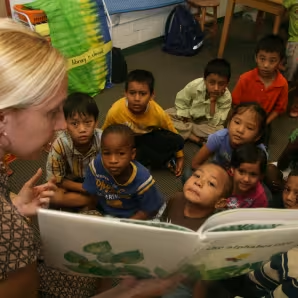
Providing a Head Start: Improving Access to Early Childhood Education for Refugees
Head Start–refugee resettlement collaboration can raise young refugee children's early education enrollment substantially, but federal silos keep such success rare.