United States

Key Statistics
Data are 2024 UN data and may differ from national statistics agencies.
52375000
Immigrant Population
15.2%
Immigrant Share of Total Population
3187000
Emigrant Population
All Content
Showing 731–740 of 1513 results
Immigration to the Heartland: A Profile of Immigrants in the Kansas City Region
The Kansas City region's immigrant population grew more than 300 percent between 1990 and 2015, with immigrants establishing deep roots and contributing broadly across industries.

Mental Health Risks and Resilience among Somali and Bhutanese Refugee Parents
Somali and Bhutanese refugee parents show anxiety and depression similar to the U.S. general population, suggesting community support buffers the effects of pre-resettlement trauma.

U.S. Meets 2016 Syrian Refugee Admission Goal; Opposition to New Resettlement Mounts
After admitting fewer than 2,000 Syrian refugees in the first seven months of FY 2016, the United States surpassed its goal of 10,000 for the year, reaching 12,391 by late September.

Caribbean Immigrants in the United States
In 2014, approximately 4 million Caribbean immigrants lived in the United States; more than 90 percent came from Cuba, the Dominican Republic, Jamaica, Haiti, or Trinidad and Tobago.

13th Annual Immigration Law & Policy Conference
With issues of immigration policy very much at the forefront of the 2016 elections, this annual conference offers policy and legal analysis on key immigration topics facing the country and the incoming administration and Congress in 2017.

Dual Language Learners in Head Start: The Promises and Pitfalls of New Reforms
New Head Start regulations set for November 2016 recognize bilingualism as a strength but do not require staff training in home languages for Dual Language Learners.

DACA at Four: Estimating the Potentially Eligible Population and Assessing Application and Renewal Trends
Marking the fourth anniversary of the implementation of the DACA program, this webinar presents findings on the most current estimates of potential DACA beneficiaries, trends in requests and application rates, and discussion of recent policy and political developments. Experts also discuss how DACA has affected the integration of qualifying young unauthorized immigrants.
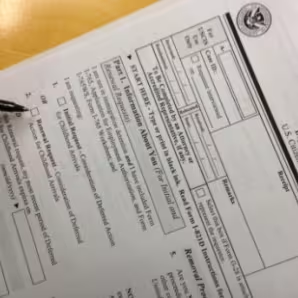
Naturalization Trends in the United States
As of 2014, 20 million immigrants in the United States were naturalized citizens, generally earning higher incomes and owning homes at higher rates than noncitizens.
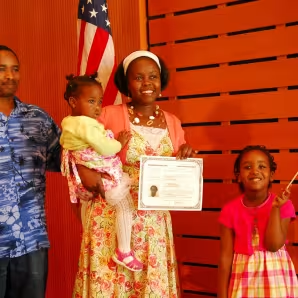
DACA at Four: Participation in the Deferred Action Program and Impacts on Recipients
DACA has delivered economic and social gains to hundreds of thousands of young unauthorized immigrants. But nearly half the eligible population had not applied as of March 2016.

Funding an Equitable Education for English Learners in the United States
English Learner (EL) funding in the United States is inequitable, with many states lacking the studies needed to design formulas that adequately serve these students.