United States

Key Statistics
Data are 2024 UN data and may differ from national statistics agencies.
52375000
Immigrant Population
15.2%
Immigrant Share of Total Population
3187000
Emigrant Population
All Content
Showing 391–400 of 1513 results
Gang Membership in Central America: More Complex than Meets the Eye
U.S. and Central American anti-gang policies often rely on outdated models of organized crime, enabling deportation practices that can reinforce gang growth and misidentify victims as perpetrators.

Central American Immigrants in the United States
The 3.8 million Central American immigrants in the United States as of 2019 were deeply embedded in the U.S. workforce.

From Jailers to Case Managers: Redesigning the U.S. Immigration Detention System to Be Effective and Fair
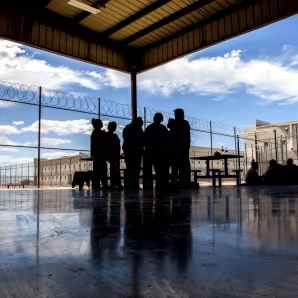
U.S. immigration detention cost up to $200 per person per day in fiscal year 2021. Shifting to case management and supervised release can reduce costs and improve outcomes.
U.S. Government Rush to Evacuate Afghan Allies and Allocate Sufficient Special Visas Comes at Eleventh Hour
As U.S. forces withdrew from Afghanistan in 2021, chronic processing failures left tens of thousands of Afghans in limbo, prompting last-minute legislative and evacuation efforts.

Solidarity in Isolation? Social cohesion at a time of physical distance
Lockdowns paused migrant integration in Europe, widened digital divides, and frayed social cohesion, while new local solidarity networks emerged but proved short-lived.

Future Scenarios for Global Mobility in the Shadow of Pandemic
COVID-19 upended global mobility. This report outlines four possible scenarios for future international mobility.

Texas Once Again Tests the Boundaries of State Authority in Immigration Enforcement
Texas's unilateral border enforcement measures, such as border wall construction and state and local arrests of unauthorized immigrants, are facing significant legal challenges.

Canadian Immigrants in the United States
Canadian immigrants, once a much larger share of immigration to the United States, tend to be older, highly educated, and economically well-positioned.

Strengthening Services for Unaccompanied Children in U.S. Communities
Tens of thousands of unaccompanied children arrive in U.S. communities each year with critical legal and service needs that local systems are ill-equipped to meet.

Rebuilding the U.S. Education System for the Nation’s English Learners
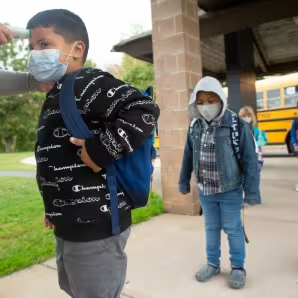
The $122 billion investment that K-12 schools across the United States are receiving from the federal government to address the disproportionate impacts of COVID-19 on the nation's most vulnerable students represents a key opportunity to help reset the trajectory of education for English Learners (ELs). As states submit their plans for using the funds, community based organizations can be key partners, as this commentary explains.