Jamaica

Key Statistics
Data are 2024 UN data and may differ from national statistics agencies.
24000
Immigrant Population
0.8%
Immigrant Share of Total Population
1249000
Emigrant Population
All Content
Showing 1–10 of 10 results
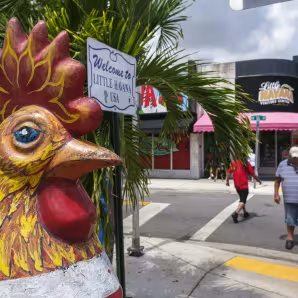
Caribbean Immigrants in the United States
Caribbean immigrants are important contributors to U.S. communities and home-country economies but face lower incomes and mounting legal uncertainty.
Small Islands, Big Challenges: Climate Change and Migration in the Caribbean
What does climate change mean for migration — and economic stability — across one of the world's most geographically exposed regions?
Migration, Integration, and Diaspora Engagement in the Caribbean: A Policy Review
Caribbean countries face high emigration, fragmented integration policy, and underused diaspora ties. Coordinated regional action is needed to close persistent gaps.

Caribbean Immigrants in the United States
Caribbean immigrants are concentrated in Florida and New York, with family and humanitarian immigration pathways their main admissions channels.

Caribbean Immigrants in the United States
Some 4.4 million Caribbean immigrants lived in the United States in 2017, with higher naturalization rates but lower median incomes than the overall foreign-born population.

Caribbean Immigrants in the United States
In 2014, approximately 4 million Caribbean immigrants lived in the United States; more than 90 percent came from Cuba, the Dominican Republic, Jamaica, Haiti, or Trinidad and Tobago.
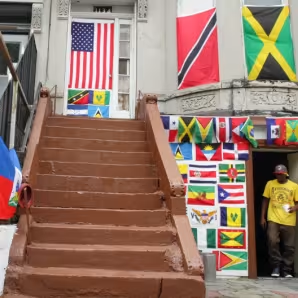
Rebuilding Self and Country: Deportee Reintegration in Jamaica
In Jamaica, low reoffending rates and the rise of deportee-led groups since 2009 showed how “deported migrants” could drive reintegration and development.

Caribbean Immigrants in the United States
In 2009, Caribbean immigrants in the United States had been naturalized at higher rates than immigrants overall and were less likely to be Limited English Proficient.

Jamaica: From Diverse Beginning to Diaspora in the Developed World
Jamaica's diaspora may rival its home population in size, yet remittances fell during the recession and deportees outnumber voluntary returnees.
Detailed Characteristics of the Caribbean Born in the United States in 2000
In 2000, nearly 3 million Caribbean-born individuals made up 9.5 percent of U.S. foreign born; Cubans were the largest group.