Deferred Action for Unauthorized Immigrants Who Are Parents
Learn what populations could be affected by DAPA, nationally and in top states.
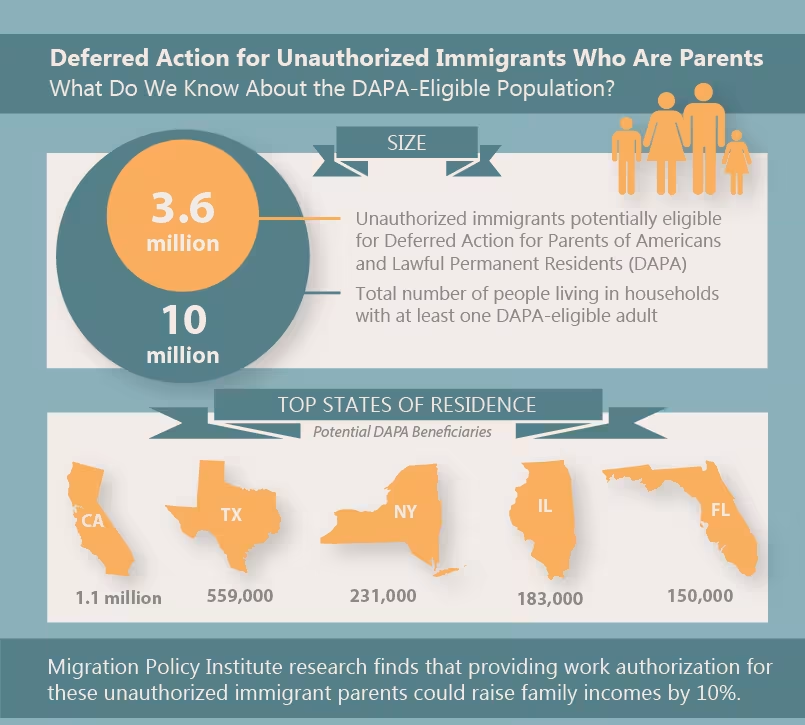
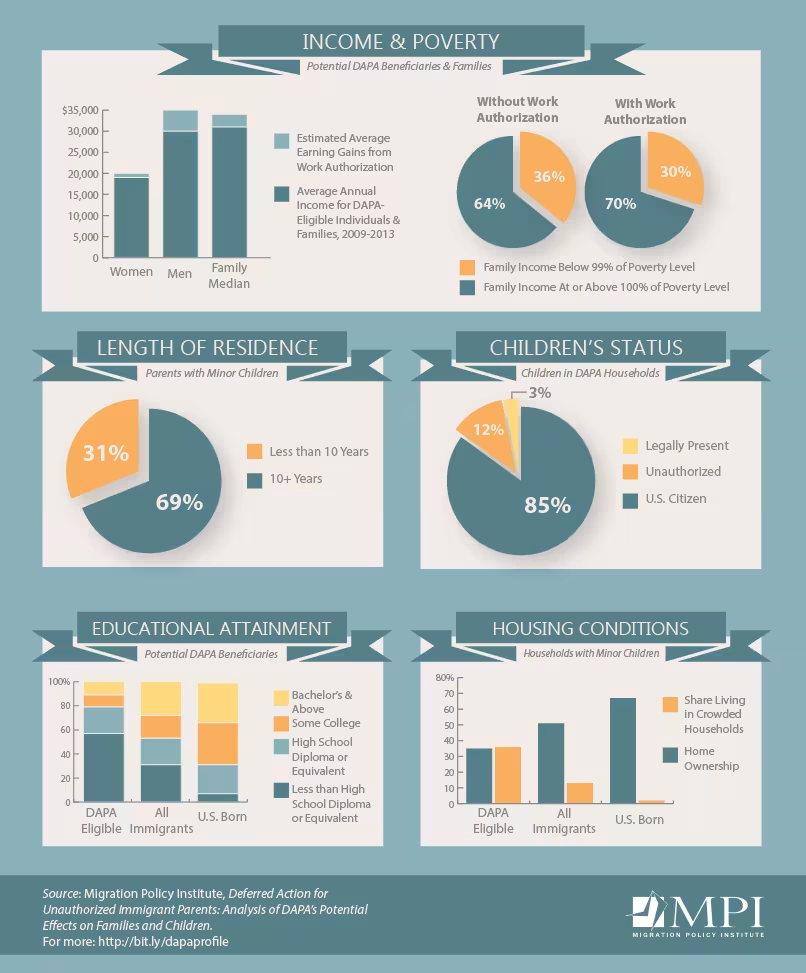
In November 2014, the Obama administration announced the Deferred Action for Parents of Americans and Lawful Permanent Residents (DAPA) program, which would shield from deportation and provide eligibility for work authorization to as many as 3.6 million unauthorized immigrants, according to MPI estimates. The Supreme Court in June 2016 is expected to rule on the administration’s appeal of a lower court order blocking implementation of DAPA and a related expansion of the existing Deferred Action for Childhood Arrivals (DACA) program. The case began when Texas and 25 other states challenged the president’s authority to create the DAPA program and expand DACA. This infographic, based on findings from an MPI-Urban Institute report, shows key data on the populations that would be affected by DAPA.
About the U.S. Immigration Policy Program
The U.S. Immigration Policy Program provides analysis of U.S. immigration pathways, the impacts of enforcement and other policies, and the characteristics of immigrant populations.


Related Content